
Myrtle Beach Previous Resident Sources
Previous-resident research at one Myrtle Beach address has an uneven but useful set of local eras. Begin with the source nearest the period being tested, then compare its date and purpose with the property record. Acclaim provides the later recorded-document route. Library, newspaper, map, census, and probate sources add older leads, but none supplies a continuous record of everyone associated with a location. The table makes the gaps visible instead of filling them with assumptions.
| Source | Years It Covers | Where Held | What It Shows |
|---|---|---|---|
| Horry ROD online name route | From 1984 | Acclaim and Register of Deeds | Recorded-instrument trail by party, legal description, document type, date, and book/page. |
| Documented directory titles | Hill 1959; Polk 1959 and 1965 | Institutional bibliographies; confirm library copy | Dated Myrtle Beach directory leads only after a copy is confirmed. |
| Chapin Digital Reel | 1938-2017 | Chapin Memorial Library, in library | Keyword-searchable local papers, notices, names, and address context. |
| Sanborn map sheets | 1938-1949 | Library of Congress | Street, block, structure, and built-context clues, not personal listings. |
| Federal decennial census | Released through 1950 | Federal records platforms and library resources | A dated household snapshot subject to enumeration and geography limits. |
| Horry probate catalog | 1803-1873 | FamilySearch catalog and archival research | Earlier estate and heirship discovery lead; live access must be checked. |
| City permit file | No verified historical online coverage | Construction Services and focused City FOIA | A particular project file if it exists and is releasable. |
For a later property event, use the recorded-document trail first. For a mid-century date, test a confirmed directory copy, a Digital Reel result, or a Sanborn sheet, then compare it with a deed or other dated source. The older probate catalog is a discovery lead, not proof that an image or individual file is immediately available.
Myrtle Beach Parcel Starting Point
The best starting clue for past residents is an authorized current parcel record, not a name guessed from an old address. Horry County requires a free account for online property-address display in Land Records, parcel GIS, and Tax/Assessor services. After using the official account path, preserve the situs address, parcel identifier, and legal description exactly as displayed. The legal description or TMS/PIN is more stable than an address where wording, postal use, or service jurisdiction has changed.
Do not claim fields that were not observed after login. The older county guide documented tax year, Parcel ID, Owner Name, and address number/street as search keys, but the current visible screen exposed only Username, Password, Sign In, registration, and recovery controls. An authorized live session is the place to check the present display, then the parcel clues can move the historic inquiry into the Horry deed chain.
For the current address-led record path, see the Myrtle Beach Street Directory. Its parcel and deed workflow is useful before tracing any historical document backward.
Myrtle Beach Deed Chain
The Horry County Register of Deeds creates a document chain, not an occupancy chain. Find a likely current recorded purchase by searching the party as grantee, then read the instrument's grantor, grantee, recording date, document type, book/page or instrument reference, and legal description. The prior grantor is a candidate for the earlier link. Search that party as grantee around the earlier period and compare the legal description again before accepting the connection.
- Obtain the authorized parcel's legal description or TMS/PIN and write the situs address exactly as shown.
- In Horry Acclaim, locate a likely current grantee document using name, legal-description, document-type, date, book/page, or consideration controls.
- Open or request the instrument as permitted and record both party roles, the date, the document type, and the exact legal description.
- Use the prior grantor as a candidate earlier grantee, then match the land wording rather than relying on the street address alone.
- At the 1984 online boundary, move to the ROD counter, a bounded copy request, archives, or other older-record channels.
- Grantor
- The party who transfers an interest in the recorded instrument.
- Grantee
- The party receiving the interest named by that instrument.
- Chain of title
- A sequence of property documents connected by matching party roles and legal descriptions.
- Legal description
- The lot, block, subdivision, unit, or other recorded land wording that connects an instrument to a parcel.
Ownership and occupancy are different claims. A grantor or grantee can document a recorded property role, while a separate dated source is needed before drawing a conclusion about who lived at the location.
Myrtle Beach 1984 Deed Boundary
The Horry ROD copy-request form states that online surname-then-first-name searching covers instruments from 1984 forward. That is an online party-name boundary, not a date when earlier deeds began or a finding that older documents were lost. It means a backward Myrtle Beach search needs a different route when the last online party match reaches that period.
The Register of Deeds counter and request form are the practical fallback. The form can use an identified document type and supporting clues such as book/page, TMS/PIN, property address, or legal description. A focused request is more likely to be useful than an open-ended search request. Older historical work can also move to the local library, Horry County Archives Center, SCDAH, or an archive catalog, depending on the document type.
Note: Treat the 1984 date as a limit on the online name workflow, not a claim that no earlier Horry instrument exists.
Myrtle Beach Dated History Clues
Historical sources can test a property timeline when each item is cited by date and type. The verified Myrtle Beach directory evidence is narrow: Hill's 1959 edition and Polk editions for 1959 and 1965. Confirm that a library copy is available before relying on an entry. A directory publication date is not necessarily the date information was gathered, and the research did not verify a reverse or criss-cross directory run for Myrtle Beach.
Chapin Memorial Library's Digital Reel offers in-library keyword searching across Myrtle Beach papers and The Sun News from 1938 through 2017. Search a surname with an address or subdivision term, preserve the issue date and page, then compare the lead with the record chain. The Myrtle Beach Directory Book is the separate route for the documented historical collections and should be used to verify a specific edition rather than infer a complete local run.
The Library of Congress provides eight Myrtle Beach Sanborn sheets created from 1938 through 1949. They can place a structure and block in time, but they do not identify prior residents. Federal census schedules released through 1950 are also dated snapshots. They should be compared with the proper geography, a contemporaneous directory lead, and official property or probate records where a legal conclusion matters.
Myrtle Beach Local History Records
The Horry County Memorial Library local-history page is a useful institutional starting point for checking a specific historic directory edition, newspaper resource, local-history title, or archival lead. Its Heritage and Research Library in Conway is the correct human contact for title, year, and call-number confirmation. That confirmation matters because the researched bibliography proves selected editions, not a current shelf inventory.
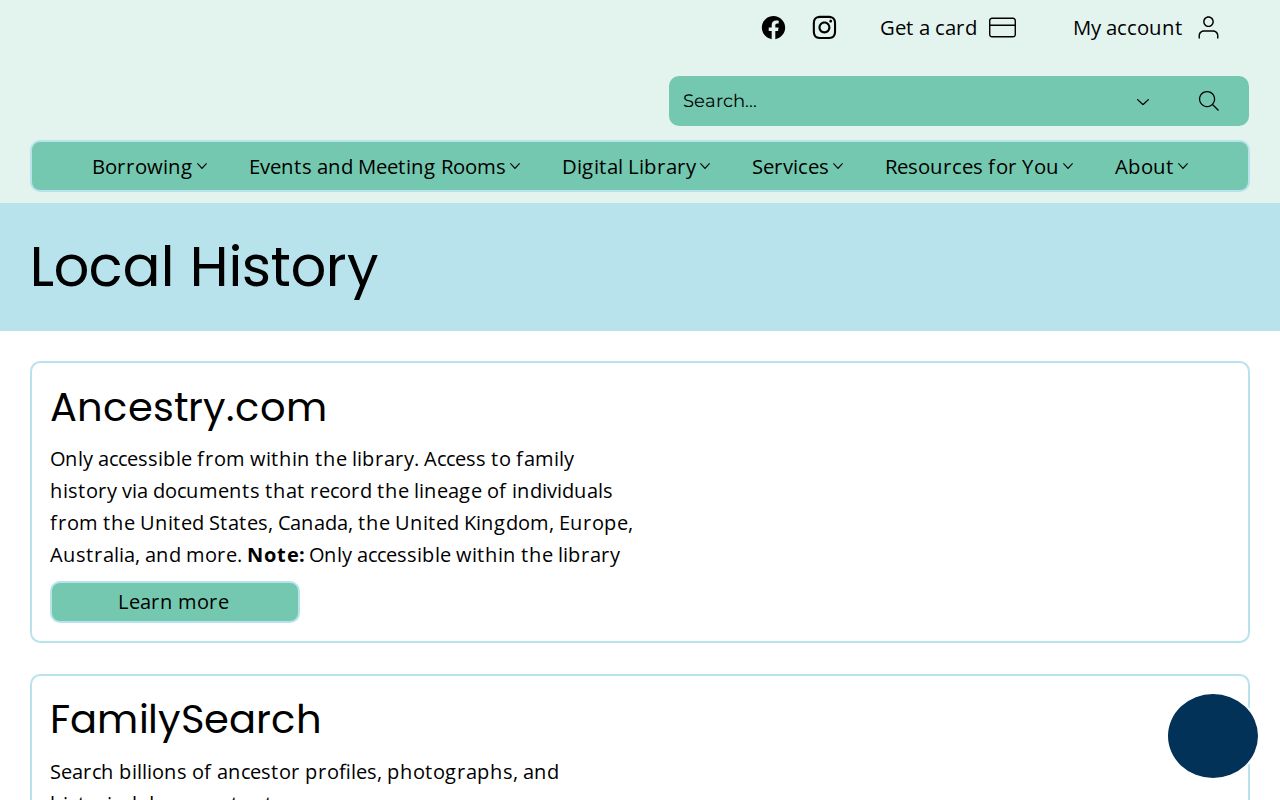
Local-history staff and institutional catalogs can help locate a dated source, but a collection mention remains a lead until its item, date, and contents are reviewed. Record the repository, collection title, page or item identifier, and the exact connection to the address.
Coastal Carolina University's Horry County Archives Center, SCDAH's research room and catalog, and the Library of Congress map collection provide different forms of archival context. Use them to corroborate a known time and place, not to combine unrelated mentions into a claim about a person.
Myrtle Beach Probate Endpoints
Probate can be a dated endpoint for an estate trail, but it is not a shortcut to a relationship claim. Horry Probate's public inquiry offers Search Cases and Search Parties modes with fields for Case No., Case Type, Judicial Assistant, Last Name, First Name, and Disposition Status. A result should be tied to the case number, party role, and record date before it is compared with an address or recorded instrument.
For older research, the FamilySearch Horry probate catalog identifies records from 1803 through 1873. It is a catalog discovery path, so image availability, indexing, and access conditions need to be checked there. A probate or obituary lead can help identify a time period for further research. It does not by itself prove that every person with the same name was associated with the property.
Myrtle Beach Address Continuity
Address continuity is a research question, not an assumption. Myrtle Beach incorporated as a town in 1938 and became a city in 1957. Those civic milestones do not establish that a given address was renumbered or that a street was renamed. No official Myrtle Beach renumbering or street-renaming project with a date was verified in the research.
The City plan's 37 unincorporated Horry County enclaves add another reason to preserve the date and custodian of each item. A familiar postal locality can point to City or county records at different times. Keep historic street-name variants as search terms, compare the legal description, Sanborn context, and document date, and state the continuity gap plainly when it cannot be verified.
Myrtle Beach Permit Requests
City permit materials may add a defined administrative clue to a prior-resident timeline. The verified application set includes site address, legal description, lot or subdivision, TMS/PIN, work classification, scope, and related fields. No official historical online permit search was found. A web search result therefore cannot establish that a particular project record is absent.
Use the Myrtle Beach public-records portal for a focused request that gives the site address, date span, permit number if known, and specific file type. The City may redact or withhold material under applicable rules. A permit applicant or project field can document an administrative filing, but it does not by itself prove residence at the address.
Myrtle Beach Previous Resident Limits
Past residents are established only when a dated source supports that narrow point. Deeds identify recorded parties, maps place structures, newspapers offer notices, directories may offer a dated entry, census schedules are snapshots, and probate documents concern a case or estate. A missing source can reflect a coverage gap, a spelling variation, a different address form, a sealed record, or a collection that has not been digitized.
Lawful use. Use Myrtle Beach historical address records for family history, estate research, civic context, or personal curiosity. Do not use a dated record to harass, track, threaten, or contact a living person.
For a correction or a copy, return to the custodian that created the record. The Register of Deeds handles recorded documents, Horry Probate controls its files, the City controls its administrative records, and libraries and archives control their collections. Keeping source dates and limits with each fact makes the final timeline more useful and less likely to overstate what the records show.